Understanding Autism Simplified: Facts, Common Myths, and How to Offer Support

Autism affects millions of people around the world. Many people have heard of autism, but not everyone understands what it is.
This article explains autism in a simple and respectful way. You will learn what autism is, discover some common myths, and find out how to support yourself and other autistic people in everyday life.
Whether you are a family member, friend, teacher, caregiver, person with autism, or someone who wants to learn more, this guide will help you better understand autism. Everyone is different, and learning about autism can help us build a more welcoming and inclusive community.
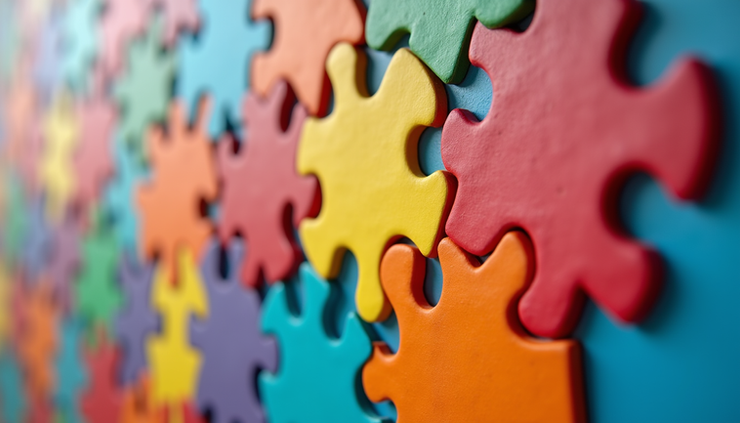
What Is Autism?
Autism, also called Autism Spectrum Disorder (ASD), is a condition that affects how a person's brain develops. It can change how a person communicates, interacts with other people, learns, and experiences the world around them.
The word "spectrum" means that autism is different for everyone. No two autistic people are exactly the same.
For example:
Some autistic people speak easily but may find social situations difficult.
Some use only a few words or communicate in other ways, such as using gestures, pictures, or communication devices.
Some are very good at remembering facts, solving problems, creating art, or noticing small details.
Autism is not an illness, and it is not something that needs to be "fixed." It is a different way of thinking, learning, and experiencing the world. Every autistic person has their own strengths, challenges, interests, and support needs.
Key Characteristics of Autism
Every autistic person is different. Not everyone will have the same characteristics. Some people may have many of these traits, while others may have only a few.
Social Communication Differences
Some autistic people communicate differently. They may find it harder to understand body language, facial expressions, or the tone of someone's voice.
For example, an autistic person may:
Make little or no eye contact.
Prefer spending time alone or with a small group.
Find it difficult to start or continue a conversation.
Take words very literally.
These differences do not mean they are unfriendly or do not care about other people.
Repetitive Behaviors and Special Interests
Many autistic people like routines because they help them feel safe and comfortable. Changes to a routine can sometimes be stressful.
Some autistic people may:
Repeat movements, such as rocking or hand flapping.
Line up or organize objects.
Enjoy doing the same activity many times.
Have a strong interest in a favorite topic, such as trains, animals, space, computers, or numbers.
These interests can bring joy and help people learn new skills.
Sensory Differences
Autistic people may experience sights, sounds, smells, tastes, or touch differently from other people.
For example:
Bright lights may feel too bright.
Loud noises may be painful or overwhelming.
Some clothing or textures may feel uncomfortable.
Some people may enjoy certain sounds or textures more than others.
Everyone experiences sensory differences in their own way.
Thinking and Learning Styles
Autistic people learn and think in different ways.
Some people:
Think in pictures or patterns.
Have an excellent memory for facts or details.
Learn best by seeing or doing.
Need extra time to understand new information or changes.
Everyone has their own strengths and challenges.
Remember
Autism is different for every person. Understanding these characteristics can help us be kind, respectful, and supportive. By accepting people's differences, we can help create a more welcoming and inclusive community.
Common Misconceptions About Autism
There are many myths about autism. These myths can lead to misunderstandings and unfair treatment. Learning the facts helps us better understand and support autistic people.
Myth: Autism Is a Disease That Needs to Be Cured
Fact: Autism is not a disease or an illness. It is a different way the brain develops and works. Some autistic people may need support in daily life, but autism is not something that needs to be "fixed."
Myth: Autistic People Do Not Have Feelings
Fact: Autistic people have feelings just like everyone else. They may show their emotions in different ways, but they can care deeply about their family, friends, and others.
Myth: All Autistic People Have an Intellectual Disability
Fact: Autism and intelligence are not the same thing. Some autistic people have an intellectual disability, while many have average or above-average intelligence. Every person has different strengths and challenges.
Myth: Autism Only Affects Children
Fact: Autism lasts a person's whole life. Autistic children grow up to be autistic adults. Their needs and experiences may change over time, but autism does not go away.
Myth: Autistic People Do Not Want Friends
Fact: Many autistic people enjoy having friends and spending time with others. They may communicate or socialize differently and may need understanding and support to build friendships.
Remember
Every autistic person is unique. It is important not to make assumptions based on myths or stereotypes. By learning the facts and treating everyone with kindness and respect, we can help create a more welcoming and inclusive community.
How to Support Individuals with Autism
The right support can help autistic people feel safe, understood, and included. Every person is different, so it is important to ask what support works best for them.
At Home
Create a Daily Routine
A regular routine can help some autistic people feel calm and prepared for the day. A calendar, picture schedule, or timer can make it easier to know what will happen next.
Respect Sensory Differences
Some people are sensitive to bright lights, loud sounds, strong smells, or certain textures. If possible, make changes to help them feel more comfortable.
Encourage Their Interests
Support their hobbies and favorite activities. These interests can help build confidence, develop new skills, and bring happiness.
Use Clear Communication
Speak in simple, clear sentences. Give people enough time to think and respond. Pictures, written words, or communication devices can also help. You mustn't try to guess what they are trying to tell you halfway through their sentence.
At School
Give Clear Instructions
Break large tasks into smaller steps. Use checklists, pictures, or examples to explain what needs to be done.
Provide Quiet Breaks
Some students may need a quiet place to relax if they feel overwhelmed. Sensory tools, such as fidget toys or noise-reducing headphones, may also help.
Support Friendships
Help students learn social skills in a kind and supportive way. Buddy programs and group activities can help build friendships.
Be Patient and Flexible
Everyone learns differently. Try different teaching methods and allow extra time when needed.
At Work
Give Clear Instructions
Explain tasks clearly. Written instructions or examples can make work easier to understand.
Create a Comfortable Workplace
Reduce unnecessary distractions when possible. Flexible work hours or a quieter workspace may help some employees do their best.
Communicate Openly
Check in regularly and ask if any changes or support would be helpful.
Recognize Strengths
Many autistic adults have valuable skills, such as paying close attention to detail, solving problems, being creative, or remembering information well.
In Social Situations
Be Patient
Give people time to think before they answer. Do not rush conversations. And do not try to guess what they are saying before they are done.
Respect Personal Space
Some people do not like hugs, handshakes, or crowded places. Always respect their personal preferences.
Include Everyone
Invite autistic people to join activities, but respect their choice if they would rather watch or take part in a different way.
Ask What Helps
Every autistic person is different. The best way to offer support is to ask what works best for them and listen to their answer.
Remember
Small acts of understanding can make a big difference. By being patient, respectful, and willing to learn, we can help autistic people feel welcome, included, and valued at home, at school, at work, and in the community.
Why Understanding Autism Matters
Learning about autism helps us understand and respect people who experience the world in different ways. When we understand autism, it is easier to create places where everyone feels welcome, included, and supported.
Autistic people have their own strengths, abilities, interests, and challenges. By accepting these differences, we help build kinder schools, workplaces, families, and communities.
Autism is a natural part of human diversity. Everyone deserves to be treated with respect, kindness, and dignity.
Learning about autism is an important step toward creating a more inclusive world. Even small actions, such as listening, being patient, using respectful language, and asking how you can help, can make a positive difference.
If you would like to learn more, you can read books or articles written by autistic people, talk with trusted autism organizations, or take part in autism awareness and acceptance events. The more we learn, the better we can support one another.
Together, we can build communities where everyone feels valued, respected, and included.
Comments